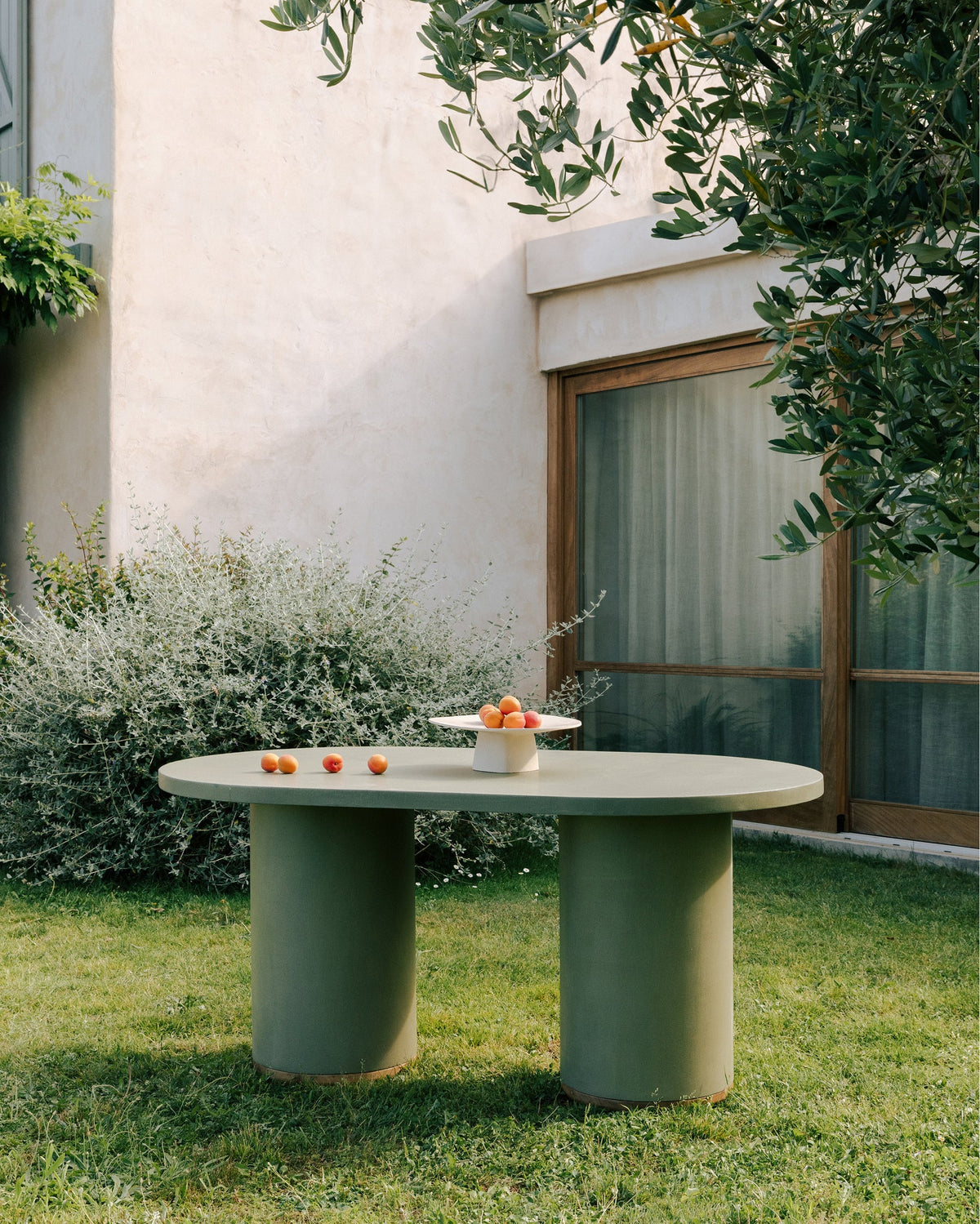
Malva Outdoor Table
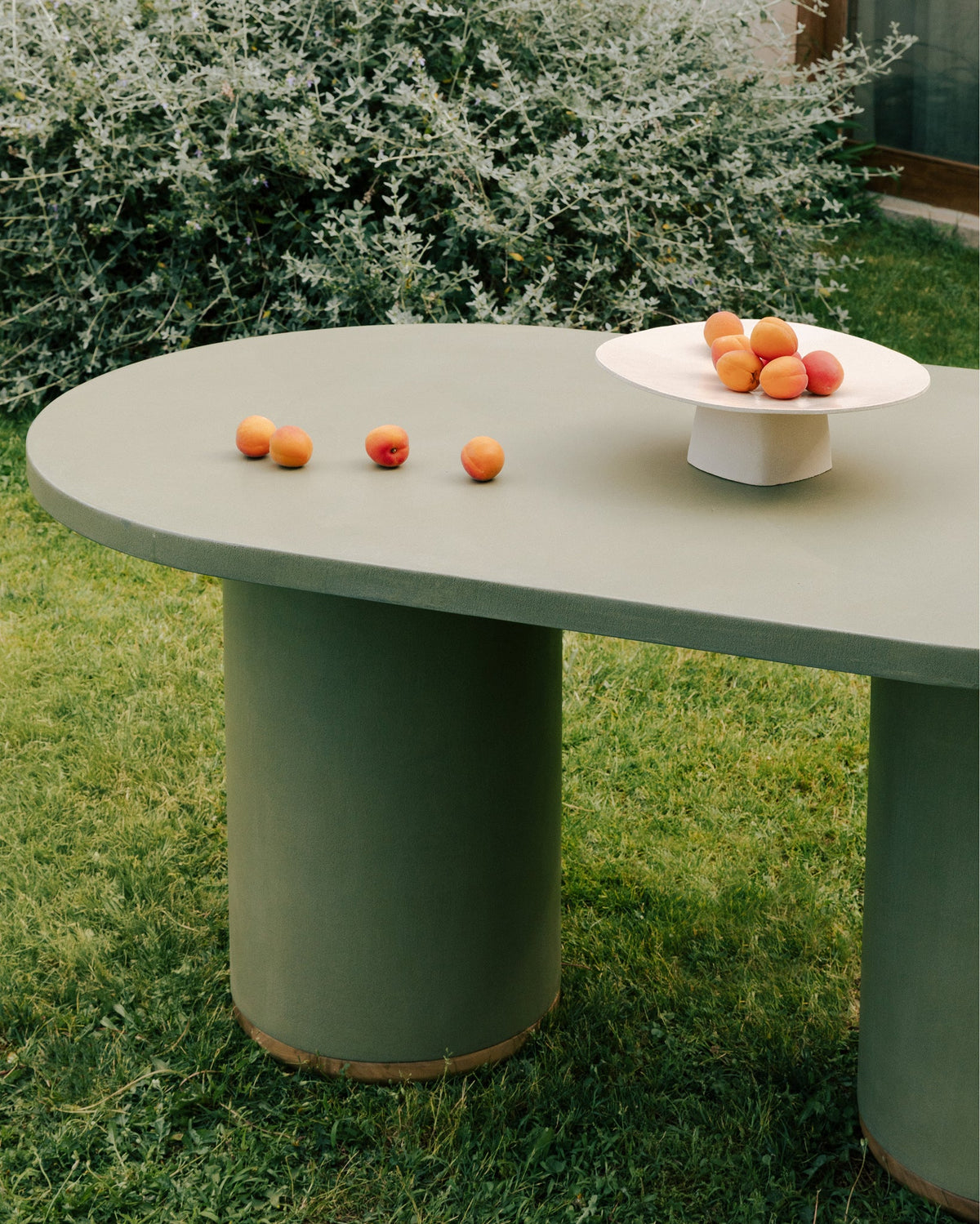
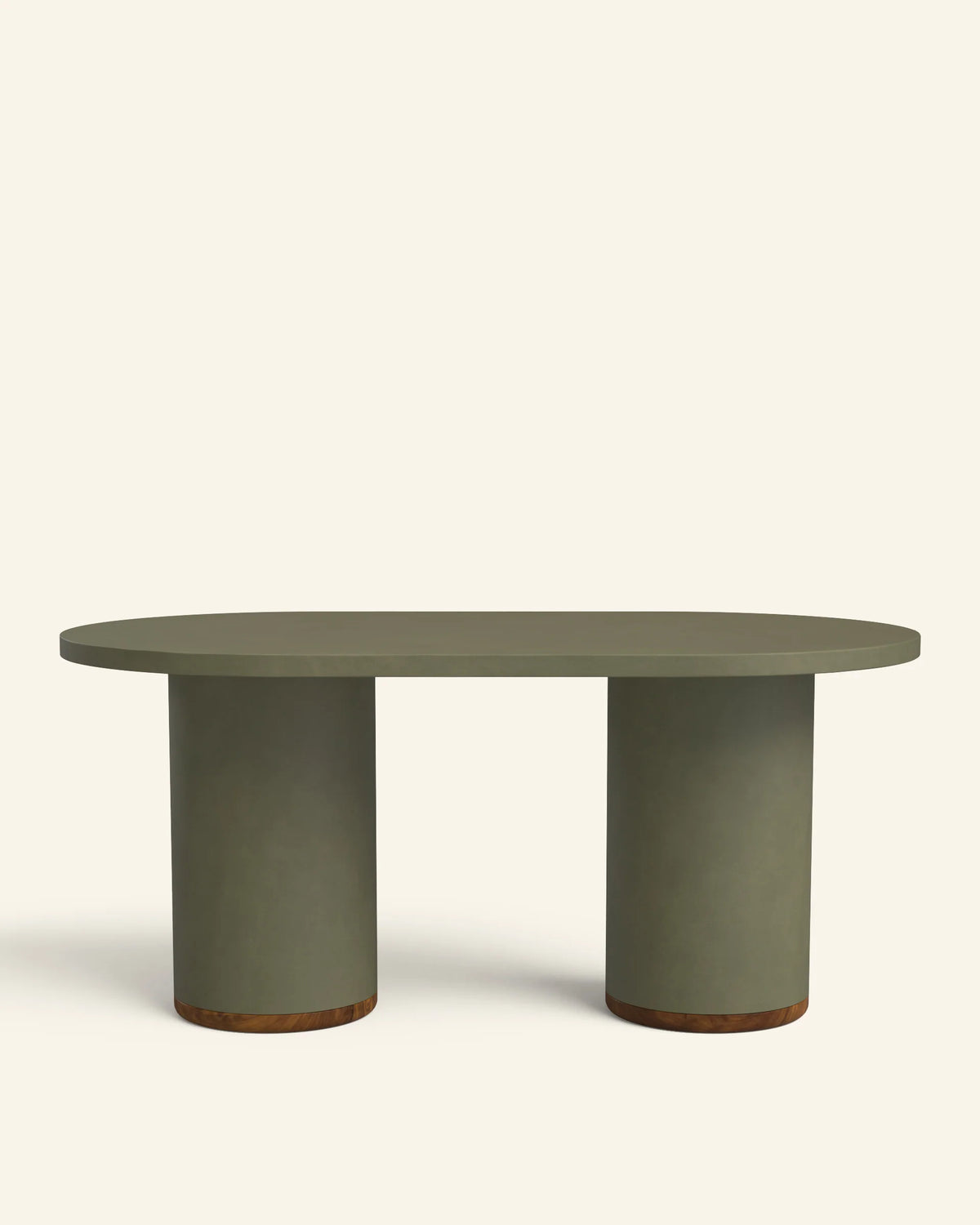
Designed by Rocío Gambín, the Malva outdoor table captures the essence of elegance and nature, adapted to open-air spaces.
Its elongated top, with an organic and subtly asymmetrical shape, adds a distinctive design touch that breaks conventional symmetry. Coated in layers of microcement with special outdoor protection, it offers a continuous, smooth, and durable surface that creates a serene, timeless aesthetic. The mineral texture is complemented by the detail of its base: two cylindrical legs also made of microcement, resting on solid iroko wood—an ideal species for outdoor use due to its natural resistance and durability in the face of weather.
Malva Outdoor is more than just a table: it’s a functional and design-forward piece, created to bring people together, share, and inhabit open spaces as the central element.
Unlike other microcements on the market, the one used in this collection comes from Lunik—a high-performance, sustainable solution with superior resistance, a seamless finish, and entirely manufactured in Spain.
Product info
Type:Tables
Name:Malva Outdoor Table
Designer:Rocío Gambín
Material:Fine microcement
Delivery info
Number of packs:1
Dimensions of pack:170 x 100 x 10 + 50 x 50 x 72, 190 x 100 x 10 + 50 x 50 x 72, 210 x 100 x 10 + 50 x 50 x 72, 230 x 100 x 10 + 50 x 50 x 72
Gross weight of pack:73 kg, 77,5 kg, 82,5 kg, 87 kg
Number of pieces in pack:2
Country of origin:Spain
Care Guide
Assembly instructions
Choose options
Specifications
Height:75 cm
Width:103 cm
Depth:160 cm, 180 cm, 200 cm, 220 cm
Weight:106 kg, 110,75 kg, 115,5 kg, 121 kg
Material:Fine microcement
The Designer
Rocío Gambín

Responsible furniture
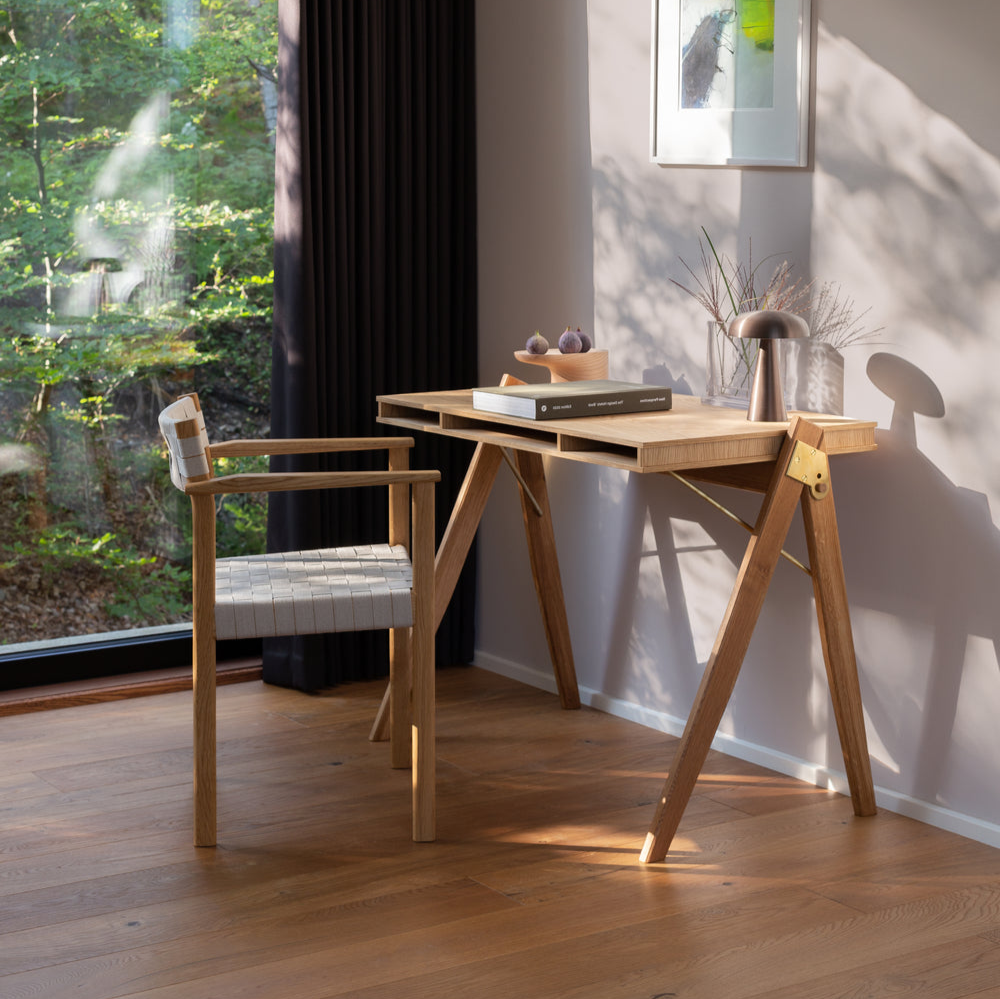
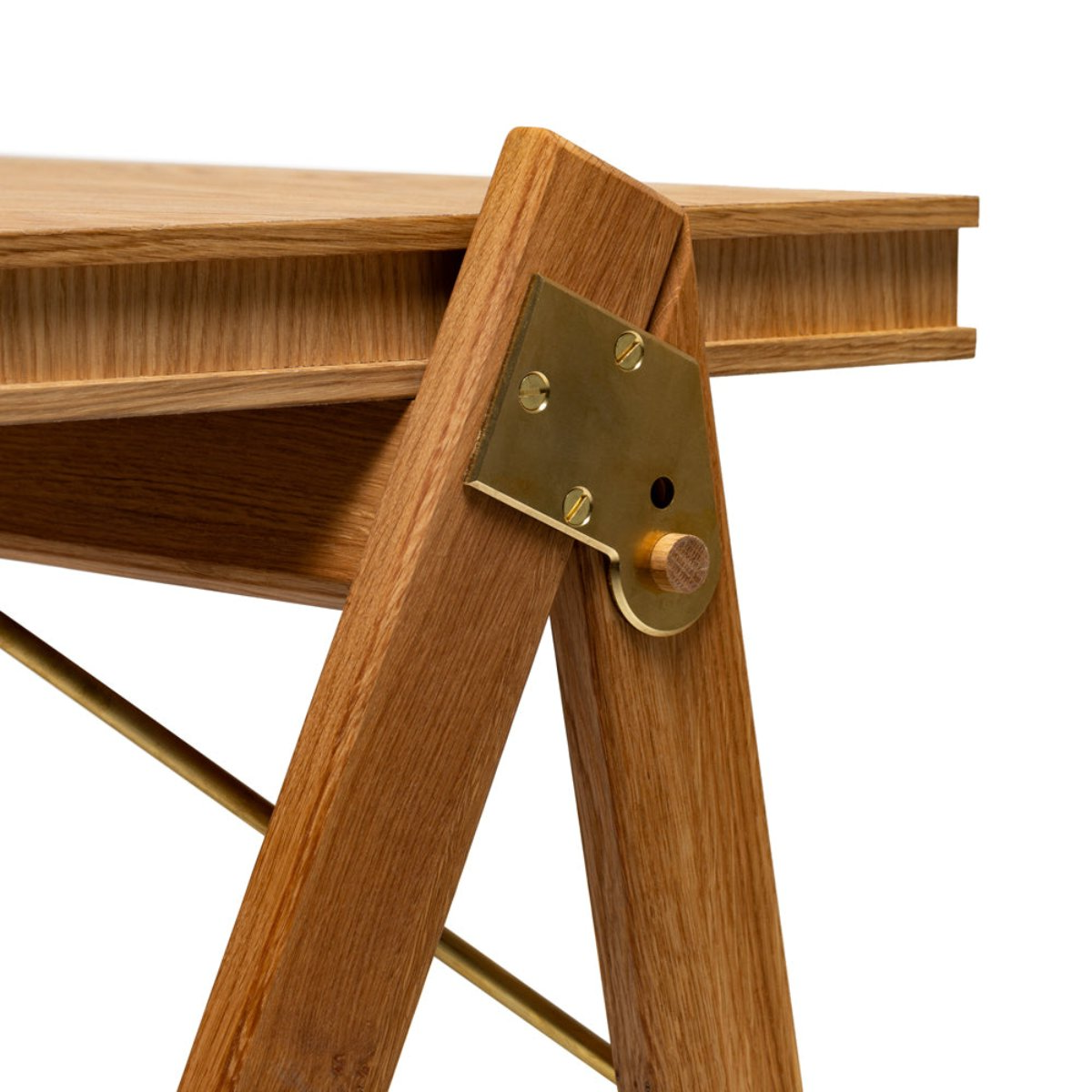
In order to increase the availability of responsible furniture, the Field Desk is made from FSC® certified oak. Our new series of oak products meets the needs of customers who prefer Scandinavian eco-friendly materials and styles.
Meet our designers
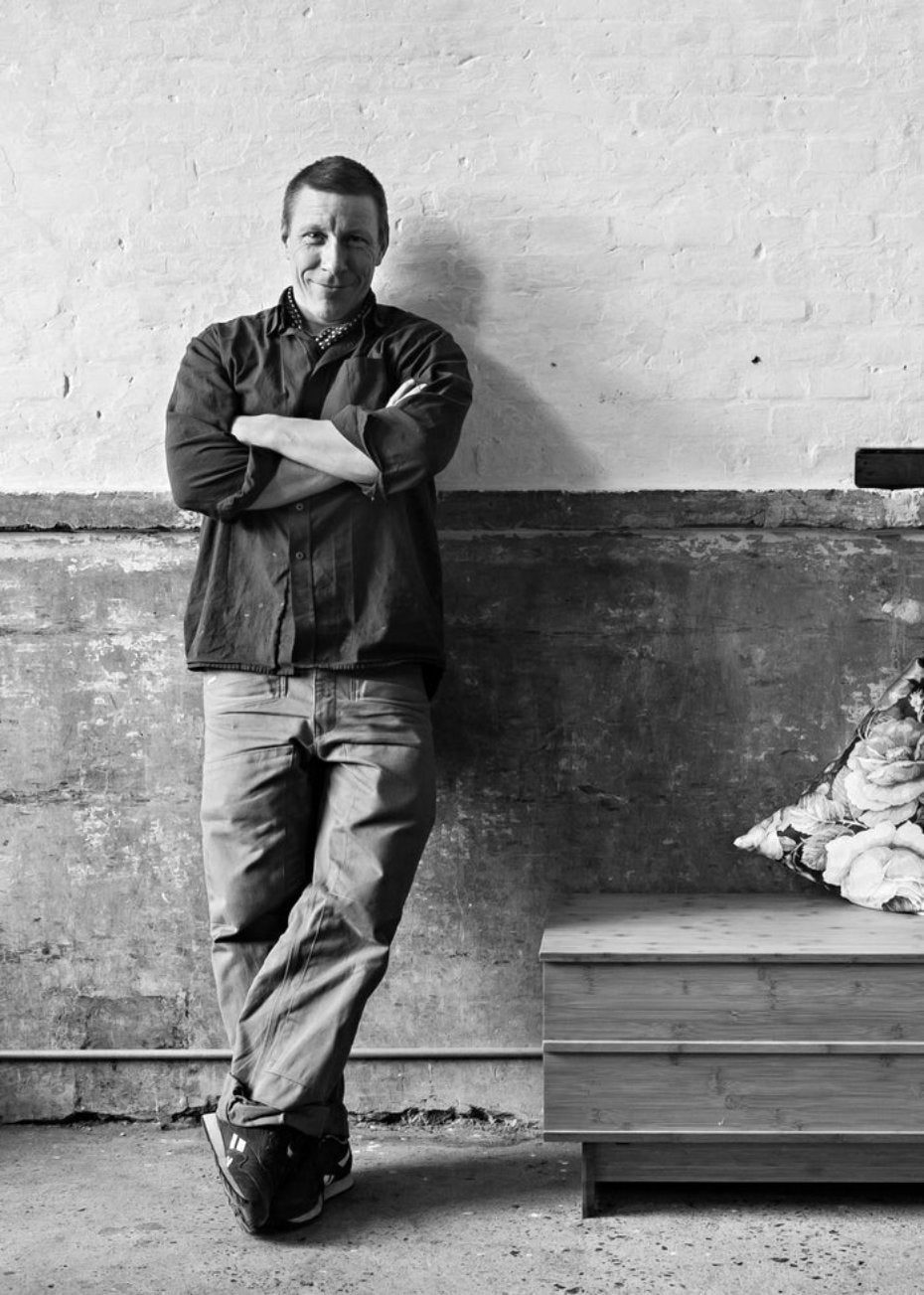
Sebastian Jørgensen
Formerly an artist, Sebastian draws inspiration from his refined work methods, now transformed into a way of viewing the thought process from concept to object.
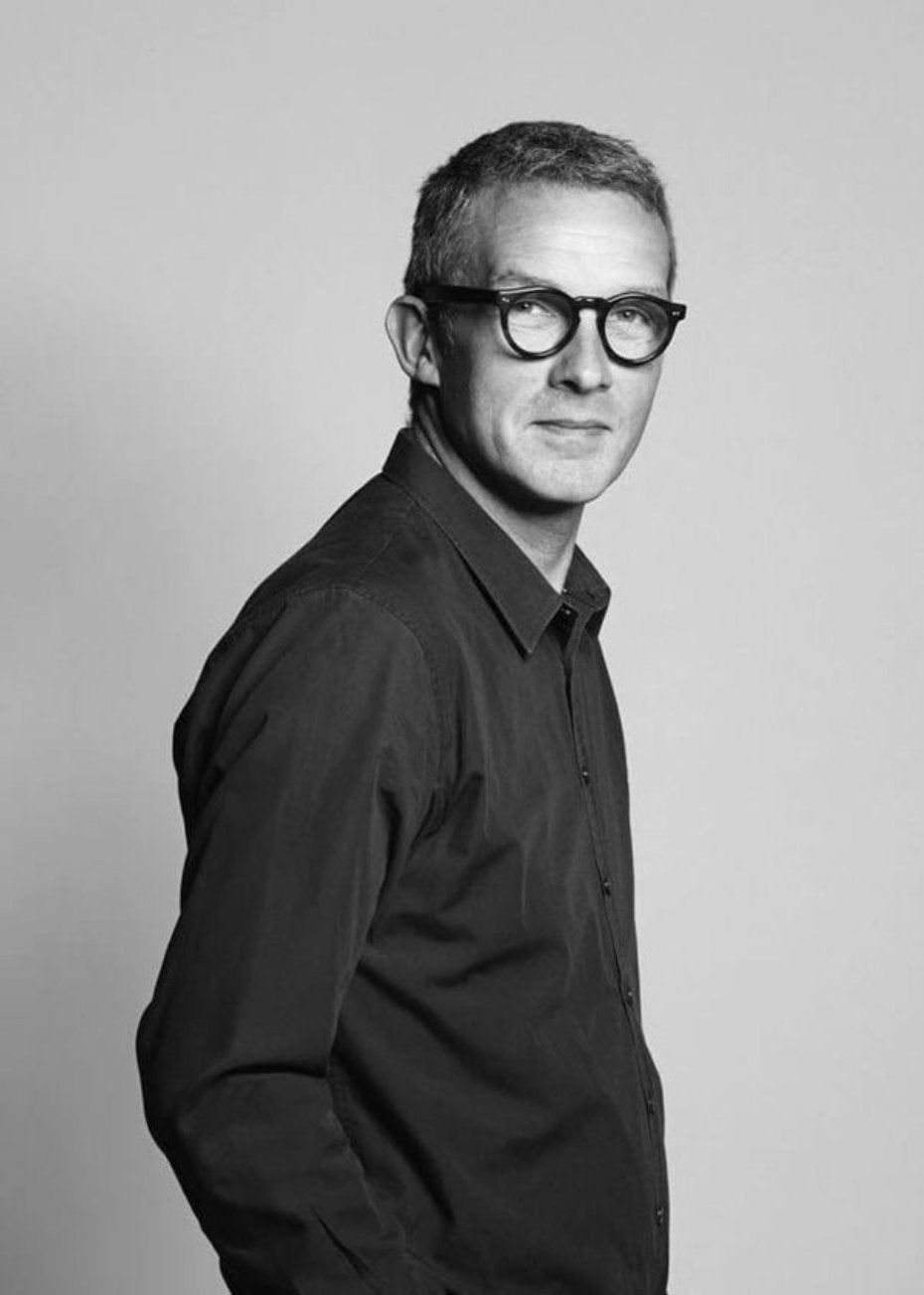
Hans Sandgren Jakobsen
With an insatiable curiosity for materials and an audacious approach to production technology, Jakobsen continually redefines the boundaries of design.

Michael Sebber Colfelt
Michael excels in concept development and interface design. His design process prioritizes ergonomics and sustainability to achieve optimal results.